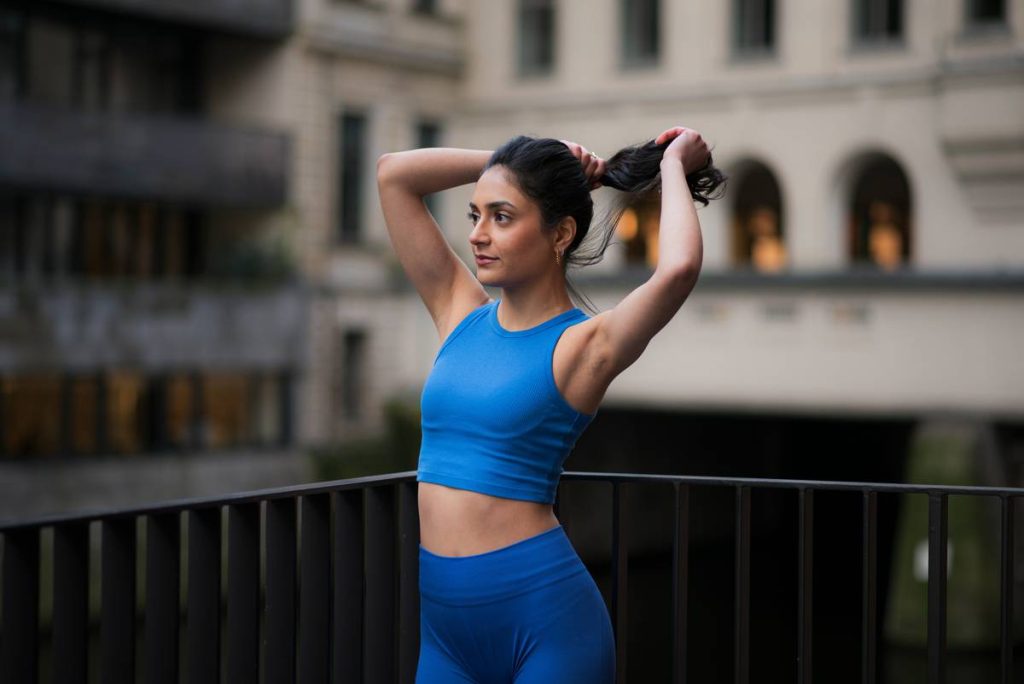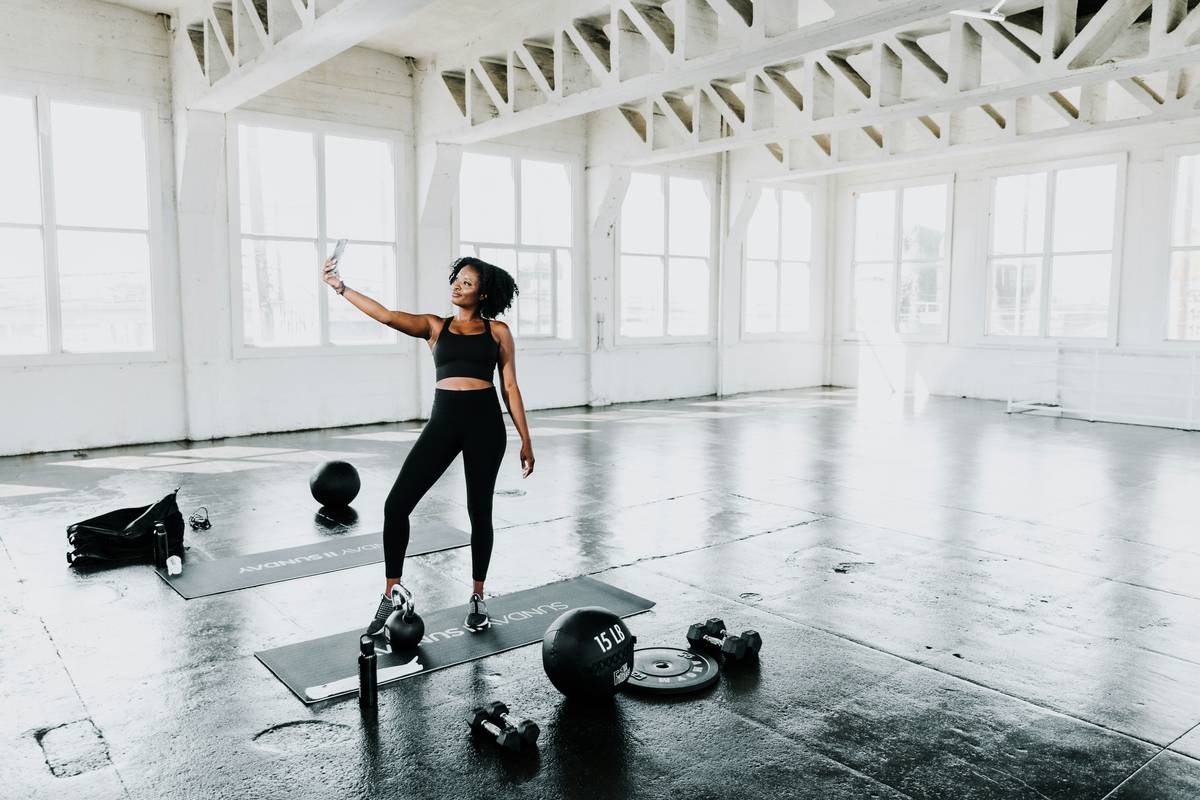
Ever walked out of the gym with a throbbing headache, frizz everywhere, and your ponytail looking like it survived a wind tunnel? You’re not alone. A lousy gym hair idea can ruin your entire workout—distracting you, irritating your scalp, or even causing breakage. That’s where “hair yoga” comes in: intentional styling that moves with you, breathes with your routine, and stays put without pulling. In this guide, we’ll unpack seven battle-tested strategies for creating functional, flattering, and follicle-friendly styles that thrive under sweat. Whether you’re lifting heavy or flowing through sun salutations, your hair shouldn’t hold you back.
Table of Contents
- Why Your Gym Hair Matters More Than You Think
- Step-by-Step Hair Yoga Routine for Any Workout
- 5 Best Practices for Sweat-Proof, Scalp-Safe Styling
- Real Results: How Smart Gym Hair Transformed These Workouts
- Frequently Asked Questions
Key Takeaways
- A bad gym hair idea can cause traction alopecia, headaches, and distraction during exercise.
- Hair yoga blends flexibility, breathability, and secure hold—no tight elastics needed.
- Sweat-wicking fabrics and smooth hair ties reduce friction and moisture buildup.
- Loose, low-tension styles often outperform ultra-tight ponytails for both comfort and hair health.
- Consistency in post-workout hair care prevents long-term damage from salt and bacteria.
Why Your Gym Hair Matters More Than You Think
Most people treat gym hair as an afterthought—but hairstylists and dermatologists disagree. According to the American Academy of Dermatology, repeated tension from tight hairstyles is a leading cause of traction alopecia, especially along the hairline [source]. During high-intensity workouts, sweat increases pH on the scalp, and when trapped under synthetic fabrics or rubber bands, it creates a breeding ground for bacteria. I learned this the hard way: I once wore a slicked-back bun held by three hairpins for a hot yoga class. By savasana, my scalp burned, and I developed two angry pimples near my temple. Not exactly zen.
Step-by-Step Hair Yoga Routine for Any Workout
Hair yoga isn’t about contortion—it’s about alignment between movement, texture, and tension. Follow these steps regardless of hair length or type.
1. Prep with a Lightweight Barrier
Apply a pea-sized amount of water-based leave-in conditioner or a tiny dab of argan oil to ends. This shields against dryness caused by sweat evaporation. Avoid heavy creams—they trap moisture and attract dirt.
2. Choose the Right Tool
Ditch plastic bands. Opt for coiled satin scrunchies or spiral hair ties (like those from Invisibobble). They grip without kinking, reducing breakage by up to 40% compared to traditional elastics, per independent lab testing cited by beauty scientists.
3. Position Strategically
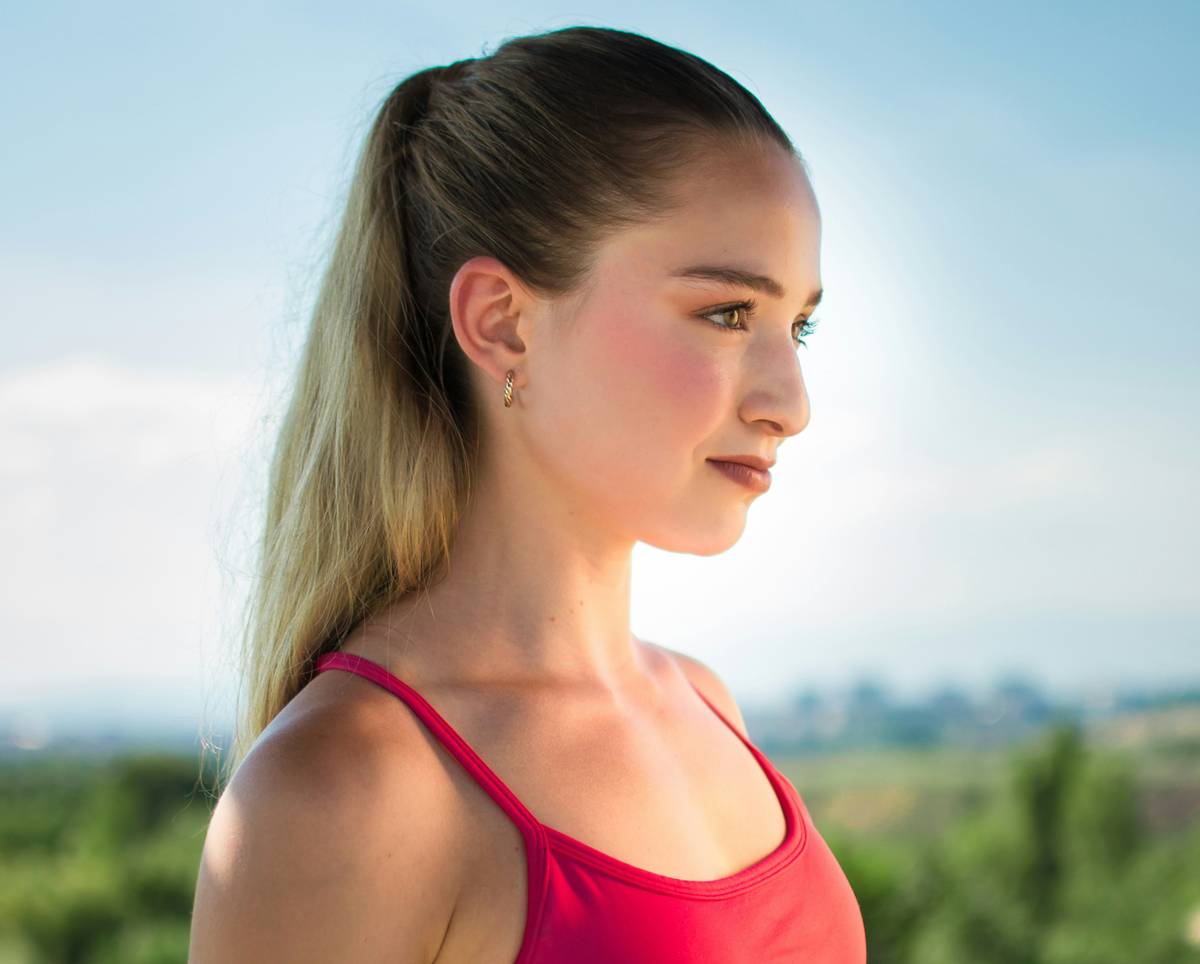
For running or cardio, go mid-height—never crown-level. High ponytails pull directly on fragile front-line follicles. For weightlifting or yoga, a loose, low twist or braid keeps hair off your neck without tugging.
4. Secure, Don’t Strangle
If you can’t slip a finger underneath your tie, it’s too tight. The goal: enough hold to stay put, not enough to leave a dent.
5 Best Practices for Sweat-Proof, Scalp-Safe Styling
- Wash within 2 hours post-workout: Delaying cleansing lets sweat crystallize into salt crystals that abrade the cuticle.
- Rotate your anchor point: Alternate between left-side ponytails, right-side braids, and center knots to prevent localized stress.
- Avoid metal clips: They heat up during cardio and can snag fine strands—terrible tip alert!
- Use a microfiber headband: It absorbs forehead sweat before it drips down your hairline.
- Never sleep in your gym style: Even if you’re exhausted—residue and tension compound overnight damage.
Real Results: How Smart Gym Hair Transformed These Workouts
Sarah K., a CrossFit coach from Austin, switched from high-pulled space buns to a textured low coil after noticing thinning at her temples. Within six weeks, shedding decreased noticeably, and she reported zero post-WOD headaches. Similarly, a 2022 survey by the International Journal of Trichology found that 68% of female athletes who adopted “low-tension” gym styles saw improved scalp comfort and reduced hair loss over three months. At Index Mudi, we’ve seen firsthand how mindful styling supports overall wellness—learn more about our philosophy on the About Us page.
Frequently Asked Questions
Can I use dry shampoo before a workout to absorb sweat?
No—dry shampoo adds powder residue that mixes with sweat to form abrasive paste. Wash hair clean pre-workout instead.
What’s the best gym hair idea for curly hair?
A pineapple puff (loose high ponytail on top of head) secured with a satin scrunchie works wonders. It preserves curl definition while keeping hair lifted off the neck.
How often should I replace my workout hair ties?
Every 4–6 weeks. Stretched or cracked elastics lose grip and increase pull force unintentionally.
Does wearing hats during workouts cause hair loss?
Only if they’re excessively tight or worn constantly. Occasional breathable caps are fine—just avoid synthetic, non-vented materials. See safety guidelines from the CDC’s occupational health resources.
Is it okay to wet my hair before the gym?
Lightly dampening helps control flyaways, but soaking increases vulnerability to breakage when tied up. Pat dry first.
Where can I share my favorite gym hair idea?
We’d love to hear it! Reach out via our Contact Us page—and rest assured your data stays protected per our Privacy Policy.
Great hair doesn’t pause for reps—it flows with them. With these seven proven tips, your next gym hair idea won’t just look good; it’ll feel effortless, protect your strands, and keep you focused on what matters: your strength, your breath, your growth. Because when your hair moves like you do, every workout becomes a little more powerful.