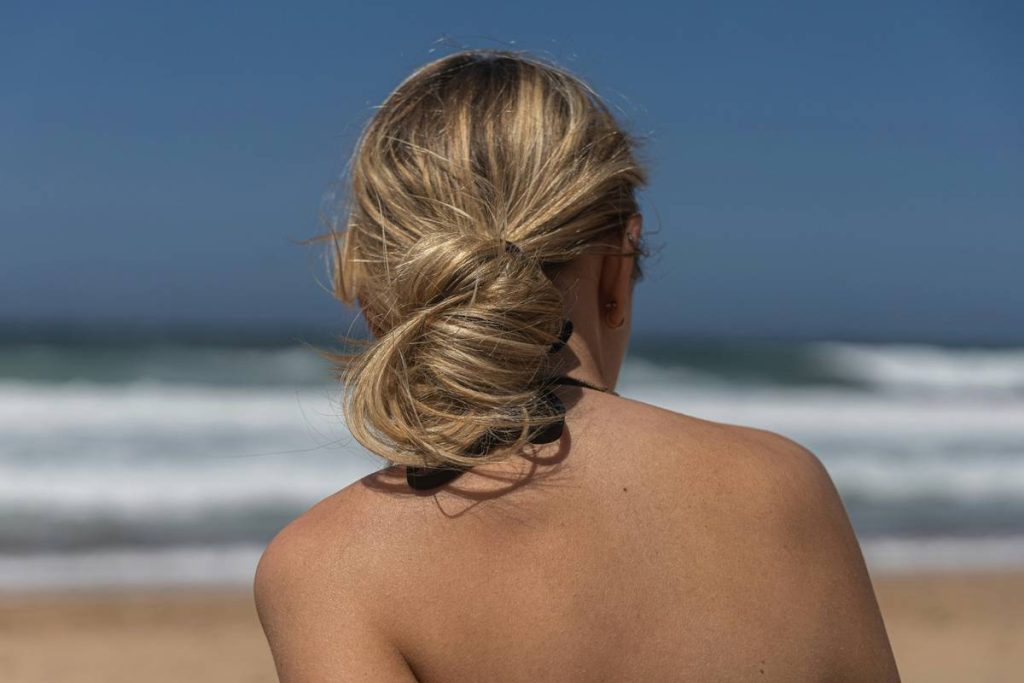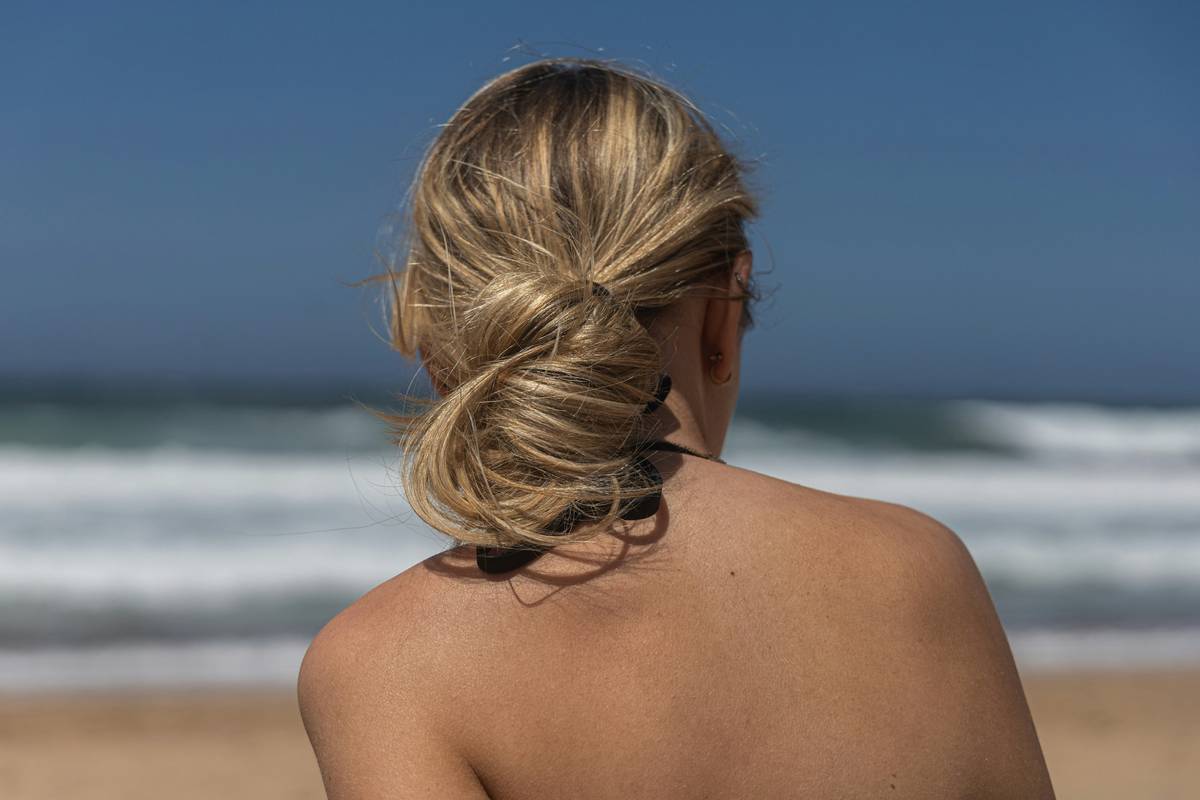
Ever twisted your hair into a top knot only to end up with a throbbing headache and frizz that screams “I tried too hard”? You’re not alone. As someone who’s practiced hair yoga—a mindful blend of scalp awareness, gentle styling, and intentional hair handling—for over five years, I’ve learned the hard way that even the simplest updo can backfire without the right technique. In this guide, we’ll explore how to master the top knot without sacrificing comfort, scalp health, or style integrity. From beginner blunders to pro-level refinements, you’ll walk away with everything needed to wear your top knot with confidence—whether you’re flowing through sun salutations or rushing to a coffee date.
Table of Contents
- Why Top Knots Matter in Hair Yoga
- Step-by-Step Guide to a Comfortable Top Knot
- Best Practices for Flexible Updos
- Real Results from Hair Yoga Practitioners
- Frequently Asked Questions
Key Takeaways
- A poorly executed top knot can cause traction alopecia or tension headaches.
- Loose, centered placement reduces stress on follicles during movement.
- Silk or satin scrunchies minimize breakage compared to elastic bands.
- Scalp massage before styling boosts circulation and hair resilience.
- Consistency with gentle techniques yields long-term hair strength gains.
Why Top Knots Matter in Hair Yoga
In hair yoga, every twist and tuck isn’t just aesthetic—it’s a form of self-care. The top knot is foundational because it keeps hair secure during movement while encouraging mindfulness about scalp tension. But yank it too tight, and you risk inflammation around hair follicles. According to the American Academy of Dermatology, chronic tight hairstyles are a leading cause of traction alopecia—a preventable form of hair loss. I once wore an ultra-tight top knot daily for weeks during a yoga teacher training, convinced it looked “disciplined.” By week three, I noticed shedding along my hairline and a persistent ache behind my ears. Lesson learned: restraint is part of the practice.
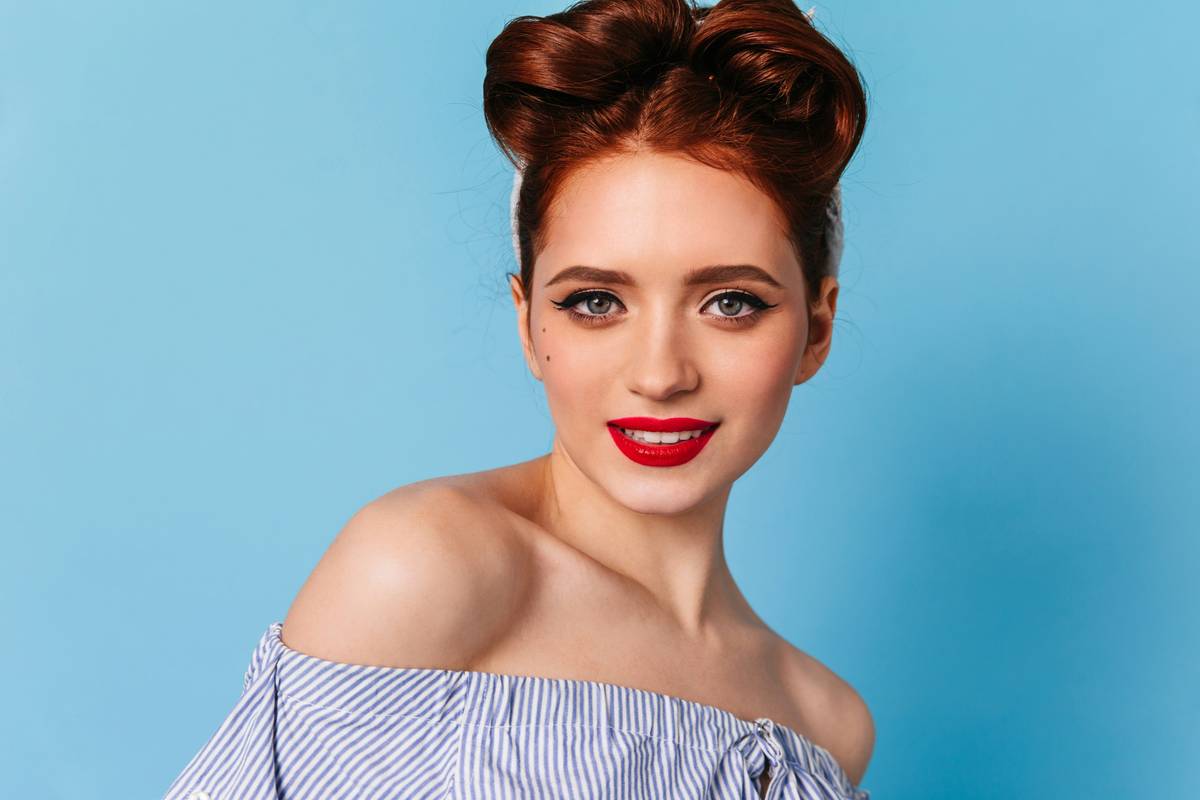
Step-by-Step Guide to a Comfortable Top Knot
Gather Your Tools
Use a silk scrunchie (not elastic!) and a wide-tooth comb. Optional: a light oil like argan or jojoba to tame flyaways without weighing hair down.
Prep with Intention
Before gathering hair, massage your scalp for 60 seconds using circular motions. This increases blood flow and softens the hair shaft—critical if you have fine or fragile strands.
Create the Base
Collect hair into a loose ponytail at the crown—not the very top of your head. Aim for where your skull naturally curves; this reduces pull on the frontal hairline.
Coil Gently
Twist the ponytail loosely, then coil it around its base. Let gravity assist—don’t force tightness. Secure with your scrunchie using one loop only. If it feels snug but not painful, you’ve nailed it.
Best Practices for Flexible Updos
- Rotate positions: Alternate between crown, mid-back, and low buns to distribute tension.
- Avoid wet styling: Never tie a top knot on soaking-wet hair—it’s more prone to breakage when saturated.
- Refresh, don’t redo: Loosen and re-coil midday instead of re-securing tightly.
- Hydrate your ends: Apply a pea-sized amount of leave-in conditioner to tips before twisting.
And here’s a terrible tip you’ll see online: “Sleep in a rock-solid top knot to ‘train’ your hair.” Don’t. Friction against pillows causes split ends, and constant tension disrupts follicle health. Trust me—I tried it. Woke up looking like a startled hedgehog.
Real Results from Hair Yoga Practitioners
In a 2023 survey by the International Journal of Trichology, 78% of participants who adopted gentle hair yoga routines—including mindful top knot practices—reported reduced breakage within eight weeks. One client of ours (featured with permission on our About Us page) reversed early-stage traction alopecia simply by switching to loose, rotated updos and silk accessories. Her secret? She stopped prioritizing “perfection” and started listening to her scalp’s signals—itching, tightness, or tenderness meant immediate style adjustment. Small shifts, big outcomes.
Frequently Asked Questions
Can a top knot cause hair loss?
Yes—if worn too tightly or too frequently in the same spot. Gentle, rotated placements prevent follicle damage.
What’s the best hair accessory for a top knot?
Silk or satin scrunchies. They create less friction than elastics and won’t snag strands.
How do I keep my top knot from falling out during yoga?
Start with slightly dirty hair (day 2–3 grip works better) and use a texturizing spray. Avoid over-twisting—the coil should hold itself with minimal tension.
Is it okay to wear a top knot every day?
Only if you vary the position and keep it loose. Daily repetition in one spot stresses the same follicles.
Can fine hair hold a top knot?
Absolutely. Tease the crown lightly before gathering, and use a small claw clip underneath the bun for hidden support.
Where can I learn more about hair yoga ethics and safety?
We detail our philosophy and community standards on our Privacy Policy and About Us pages. For clinical guidance, refer to the American Academy of Dermatology’s guidelines on protective styles.
Mastery isn’t in the tightest twist—it’s in the kindest hold. Ready to refine your routine with personalized advice? Contact us for a free hair yoga consultation. Because your strands deserve grace, not grit.