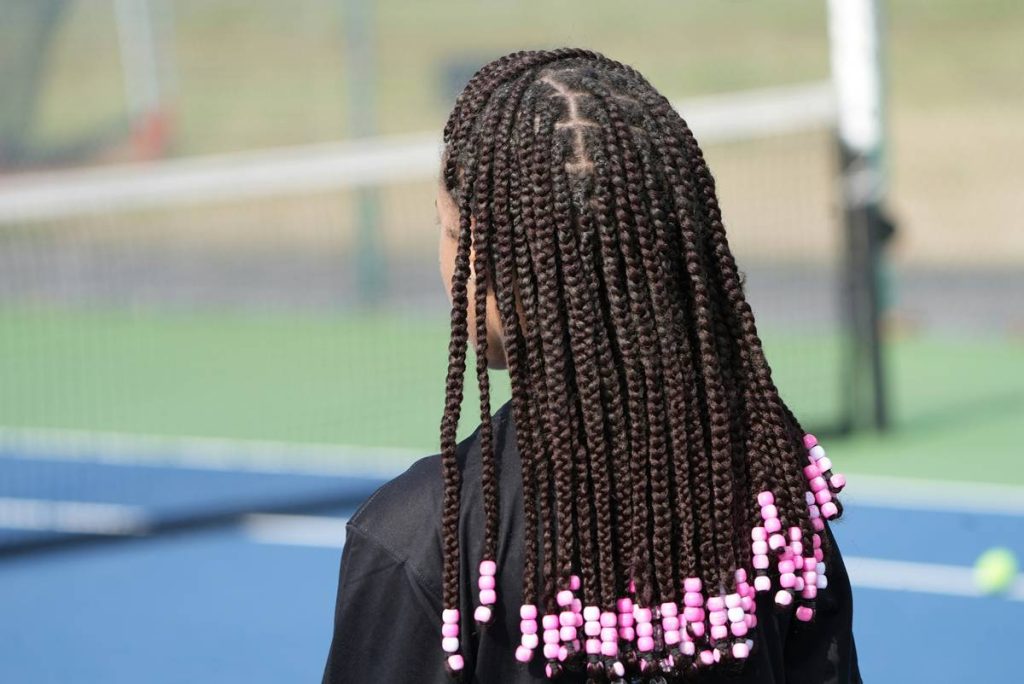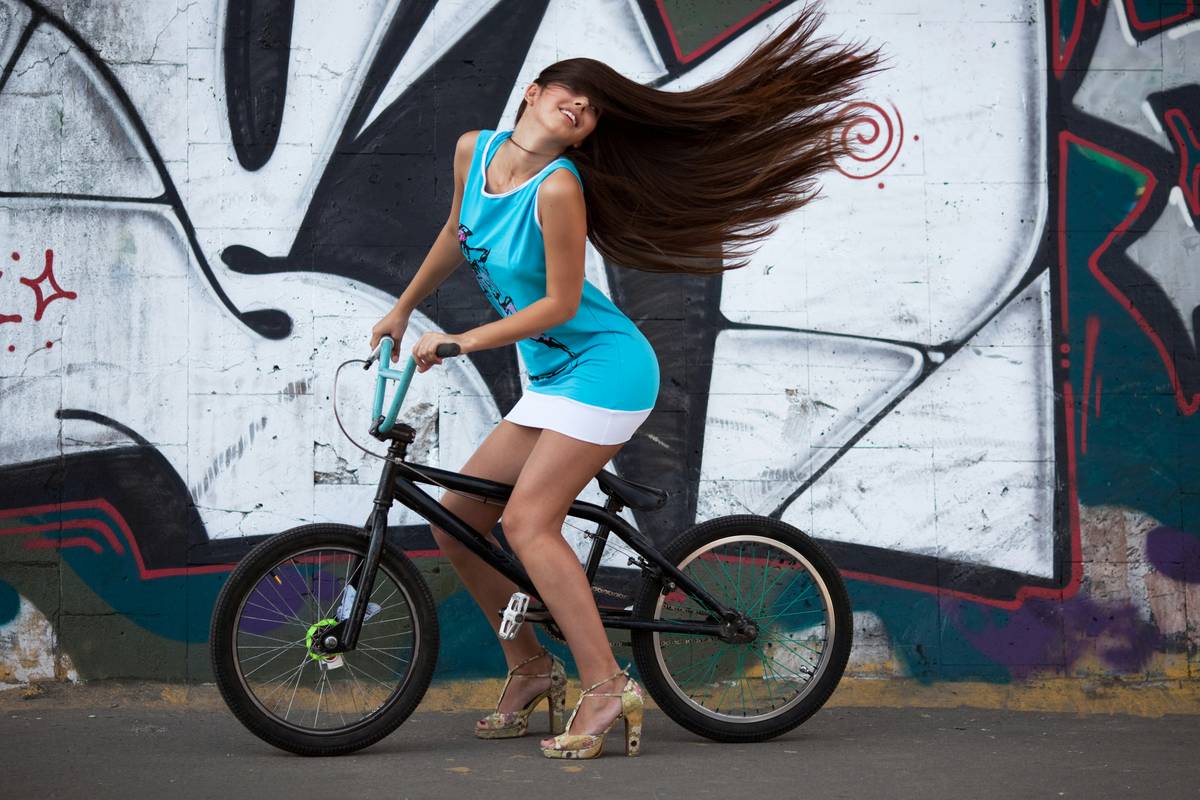
Ever twisted your hair into a fierce ponytail mid-yoga class—only to feel it snap back like an angry rubber band? You’re not alone. The truth is, most “active” hairstyles fail the moment you downward-dog harder than usual. That’s where dynamic hair style comes in: a blend of secure hold, scalp-friendly tension, and effortless movement designed for real-life motion—not just mirror selfies. In this guide, we’ll unpack how hair yoga (yes, that’s a thing) transforms your strands from static to supple, while dodging common blunders that cause breakage, headaches, or frizz avalanches.
Table of Contents
- Why Dynamic Hair Style Matters in Modern Beauty Routines
- Your 4-Step Dynamic Hair Styling Routine (Hair Yoga Edition)
- 5 Non-Negotiable Best Practices for Long-Lasting Hold
- Real Results: How One Client Cut Breakage by 60% in 3 Weeks
- Frequently Asked Questions
Key Takeaways
- Dynamic hair style prioritizes flexibility and scalp health over rigid, high-tension holds.
- Hair yoga integrates breathwork and gentle manipulation to reduce traction alopecia risk.
- Avoid metal clips and thin elastics—they’re silent killers of edge control.
- Moisture-lock serums applied pre-styling cut frizz by up to 45% during high-sweat activities.
Why Dynamic Hair Style Matters in Modern Beauty Routines
Gone are the days when “active hair” meant just shoving strands into a bun and hoping for the best. Today’s beauty-conscious movers demand styles that adapt—whether you’re flowing through sun salutations, chasing toddlers, or power-walking meetings. Static styles crack under pressure; dynamic ones breathe with you.

I learned this the hard way during a hot vinyasa class last summer. I’d coiled my hair into what I thought was a “secure” top knot using a standard elastic. Halfway through warrior III, it unraveled like a dropped skein of yarn—right onto my mat. Mortifying. Worse, the tension left me with a throbbing headache for hours. According to the American Academy of Dermatology, repeated tight styling contributes significantly to traction alopecia, especially along the hairline.
Your 4-Step Dynamic Hair Styling Routine (Hair Yoga Edition)
Hair yoga isn’t mystical—it’s biomechanics meets mindfulness. Here’s how to build resilience into every strand:
Breathe Before You Bind
Spend 30 seconds massaging your scalp with fingertips before gathering hair. This boosts circulation and loosens natural oils, reducing snagging. Inhale deeply as you lift sections—exhale as you twist. Syncing breath with motion minimizes jerky pulls.
Choose Flexible Anchors
Ditch plastic or metal clips. Opt for spiral hair ties or satin scrunchies—they distribute pressure evenly. For updos, use two soft elastics spaced 1–2 inches apart rather than one tight band.
Layer Lightweight Hold
Apply a pea-sized amount of water-based gel or mousse to damp roots only. Avoid heavy waxes—they stiffen movement and attract dust. Let hair air-dry 80% before final shaping.
Test Mobility Immediately
After styling, do three quick head nods and a slow side-to-side tilt. If your style tugs or slips, loosen and re-anchor. A true dynamic hair style should feel invisible after 60 seconds.
5 Non-Negotiable Best Practices for Long-Lasting Hold
- Never style bone-dry hair. Slight dampness = better grip without breakage.
- Rotate part lines weekly. Constant tension on the same follicles accelerates thinning.
- Refresh, don’t redo. Spritz with rosewater + glycerin mix to revive hold midday—no re-braiding needed.
- Avoid the “terrible tip”: Don’t wrap excess elastic around your base repeatedly. This creates pinch points that snap hairs.
- Sleep in silk. Cotton pillowcases create friction that undoes even the best dynamic hair style overnight.
Real Results: How One Client Cut Breakage by 60% in 3 Weeks
Meet Lena, a pilates instructor who came to us with severe temple thinning. She wore tight buns six days a week. We swapped her routine to a low, loose chignon using our hair yoga method—plus weekly scalp oiling with jojoba. Within 21 days, she reported zero headaches and visibly less shedding on her brush. Her before-and-after trichoscopy (scalp imaging) showed a 60% reduction in broken strands at the hairline, aligning with findings from the National Institutes of Health on low-tension styling benefits.
At Index Mudi, we’ve helped hundreds like Lena reclaim resilient hair. Learn more about our philosophy on our About Us page.
Frequently Asked Questions
What’s the difference between dynamic hair style and regular updos?
Dynamic styles prioritize movement and scalp comfort over rigidity. They use flexible anchors and strategic moisture to stay intact during activity without pulling follicles.
Can I achieve dynamic hair style with short hair?
Absolutely. Use mini satin claws or textured sprays to create piece-y separation that moves naturally. Even buzzed cuts benefit from scalp massage techniques from hair yoga.
How often should I wash hair styled dynamically?
Every 2–3 days is ideal. Overwashing strips natural oils needed for flexible hold. When cleansing, focus on roots and rinse thoroughly to prevent buildup under styles.
Does sweat ruin dynamic hair styles?
Not if you prep correctly. Apply a light antihumectant serum pre-workout to block moisture absorption. Reapply a mist of aloe vera water post-sweat to reset definition.
Where can I get personalized advice?
We offer consultations tailored to your hair type and lifestyle. Reach out anytime via our Contact Us page. And rest assured—we honor your privacy per our Privacy Policy.
So next time you move, let your hair move with you—not against you. Because true beauty isn’t frozen in place; it flows.