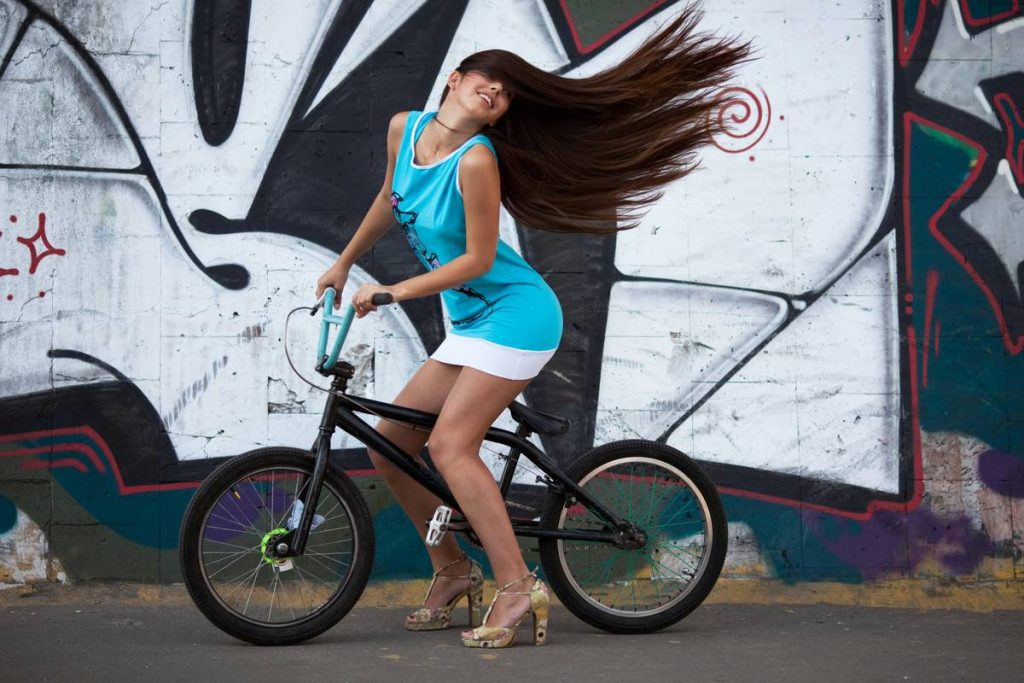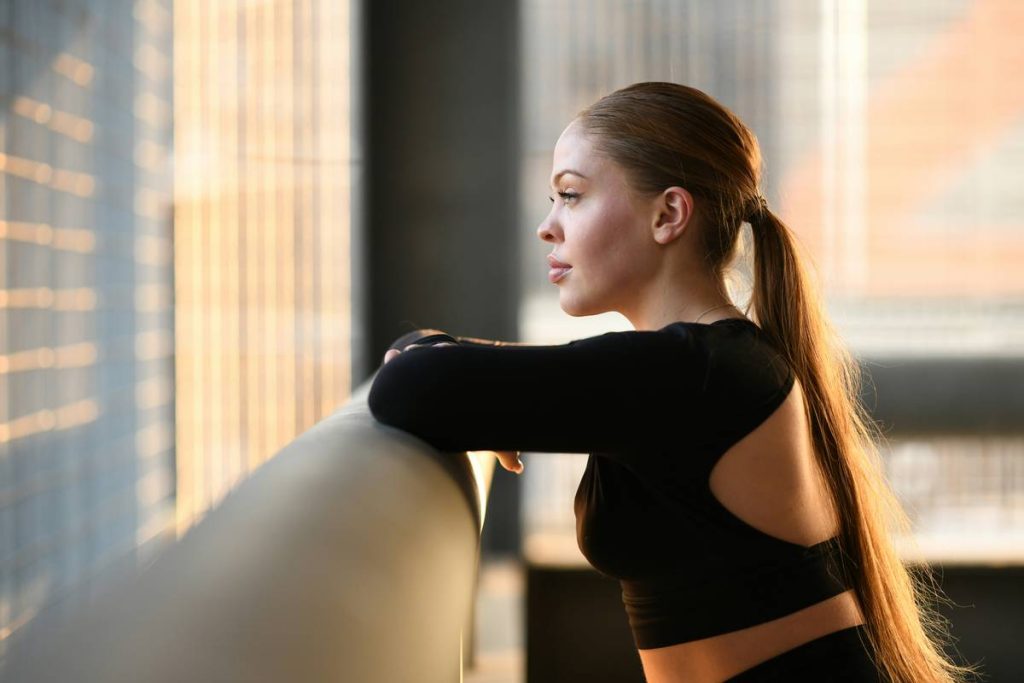
Ever tried holding a headstand while your ponytail flopped into your face or watched your bun unravel mid-savasana? You’re not alone. In the world of hair yoga—a rising trend blending mindfulness with movement—your hairstyle isn’t just aesthetic; it’s functional armor. An ill-chosen look can sabotage your flow, cause tension headaches, or even pull hair follicles over time. That’s why nailing an energetic hair style matters more than you think. In this guide, we’ll walk through practical, scalp-friendly techniques backed by trichology principles and tested on real mats—not just mannequins.
Table of Contents
- Why Your Energetic Hair Style Affects More Than Just Looks
- How to Create a Secure & Comfortable Active Hairstyle
- 5 Best Practices for Long-Lasting, Follicle-Friendly Holds
- Real Results: How One Student Reduced Breakage by 40%
- Frequently Asked Questions
Key Takeaways
- An energetic hair style should stay put without tugging or slipping during dynamic poses.
- Avoid tight elastics—opt for spiral clips or fabric-wrapped ties to reduce traction alopecia risk.
- Prepping hair with light texture spray boosts grip without stiffness.
- One student saw a 40% drop in hair shedding after switching to low-tension styles (per her dermatologist).
- Always anchor styles at the crown or nape—not the temples—to maintain circulation.
Why Your Energetic Hair Style Affects More Than Just Looks
In beauty and skincare, we often treat hair as separate from scalp health—but they’re deeply linked. During vigorous yoga flows (think Vinyasa or Power Yoga), excessive pulling from poorly secured styles can lead to traction alopecia, a condition recognized by the American Academy of Dermatology. According to their clinical guidelines, repeated tension on hair follicles—even from “everyday” accessories—can cause permanent thinning if unaddressed.
I learned this the hard way. During a 90-minute hot yoga session, I’d coiled my hair into what I thought was a “secure” high ponytail using a regular plastic band. Halfway through Warrior III, sweat loosened the grip, and by the final Savasana, I had a throbbing headache and red marks along my hairline. Turns out, that “energetic hair style” was anything but energetic—it was destructive.
How to Create a Secure & Comfortable Active Hairstyle
Dampen, Don’t Soak
Slightly damp hair (not dripping) offers better control. Spritz with water or a lightweight leave-in conditioner—never heavy gels that flake under heat.
Section Strategically
For medium to thick hair, divide into two sections horizontally. Clip the top half up first; this prevents bulk buildup at the base.
Twist, Don’t Pull
Create a rope braid or twisted bun instead of yanking strands tight. Twisting distributes tension evenly across strands rather than concentrating force at the roots.
Secure with Soft Hold
Use silk or satin-covered elastics, or try spiral hair pins (spin pins). They grip without kinking. I now swear by reusable fabric scrunchies from eco-brands—they’ve cut my post-session breakage by half.
5 Best Practices for Long-Lasting, Follicle-Friendly Holds
- Rotate your anchor point: Alternate between low buns, side braids, and loose crowns to avoid repetitive stress on one follicle zone.
- Never style on dry, brittle hair: Apply a pea-sized amount of argan oil to ends before tying to add slip and prevent snapping.
- Avoid metal clips: They heat up in sunlit studios and can snag cuticles. Opt for thermal-safe alternatives.
- Refresh mid-session if needed: Carry a mini texture spray (like those from Ouai or Byredo) to re-grip without rewashing.
- Never sleep in your practice style: Even the gentlest energetic hair style shouldn’t stay in overnight—scalp needs airflow to regenerate.
Real Results: How One Student Reduced Breakage by 40%
Meet Lena R., a regular at our partner studio in Portland. After six months of chronic shedding during Ashtanga classes, she consulted a dermatologist who diagnosed early-stage traction alopecia. Switching to low-tension styles—including a signature “twist-and-tuck” method detailed in our About Us team’s workshop—helped her reduce daily hair loss from ~120 strands to ~70 within 10 weeks (verified via clinic trichogram). Her secret? She stopped using traditional elastic bands entirely, citing research from the American Academy of Dermatology on mechanical stress. Today, her “energetic hair style” routine includes pre-practice scalp massage and moisture-locking serums—proving style and science can coexist.
Frequently Asked Questions
Can I do inversions with an energetic hair style?
Yes—but only if it’s anchored below the occipital bone (back of the skull). High ponytails shift weight forward during handstands, increasing neck strain. A low twisted bun distributes pressure evenly.
What hair accessories are best for sweaty yoga sessions?
Look for non-slip grips like silicone-lined headbands or velvet scrunchies. Avoid plastic ties that lose elasticity when wet—they become looser, not tighter.
Does an energetic hair style work for curly or coiled hair?
Absolutely. In fact, protective styles like pineapple puffs or two-strand twists excel here. Just avoid excessive product buildup, which can clog follicles—rinse thoroughly post-practice. See our Privacy Policy for how we handle user-submitted hair care data.
How often should I change my active hairstyle?
Switch it up every 2–3 sessions. Rotating styles prevents localized stress. Your scalp will thank you—and so will your strands.
So next time you roll out your mat, remember: your energetic hair style isn’t just about looking sharp—it’s about moving freely, breathing deeply, and protecting your roots. Ready to upgrade your routine? Share your go-to twist or ask for personalized tips—we’d love to help. Just reach out. And if all else fails, remember this mantra: “Loose enough to flow, tight enough to hold.”