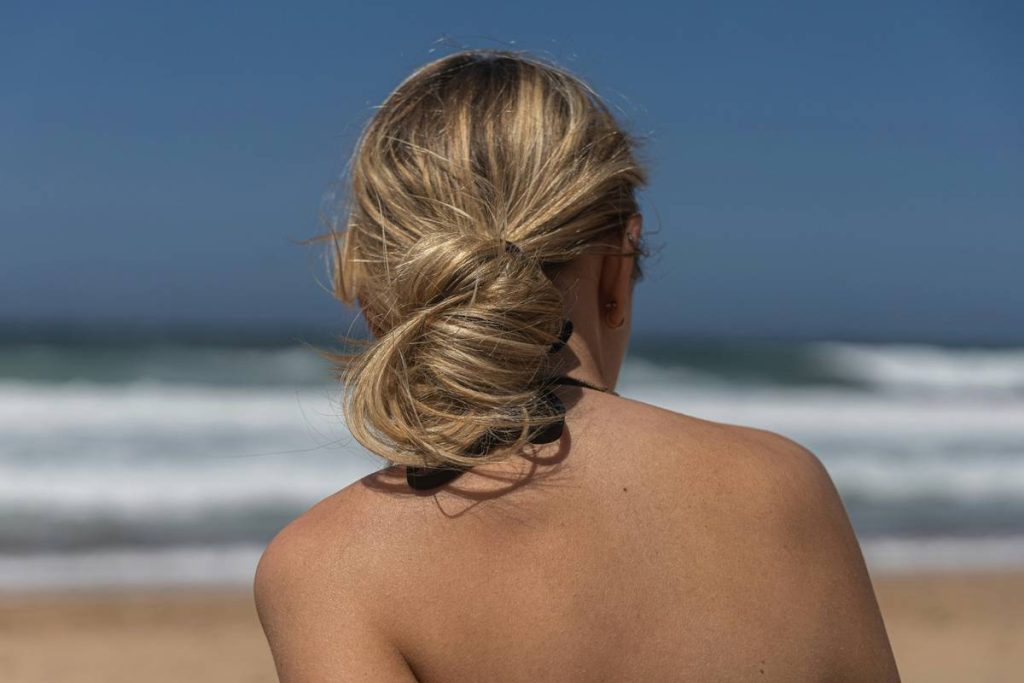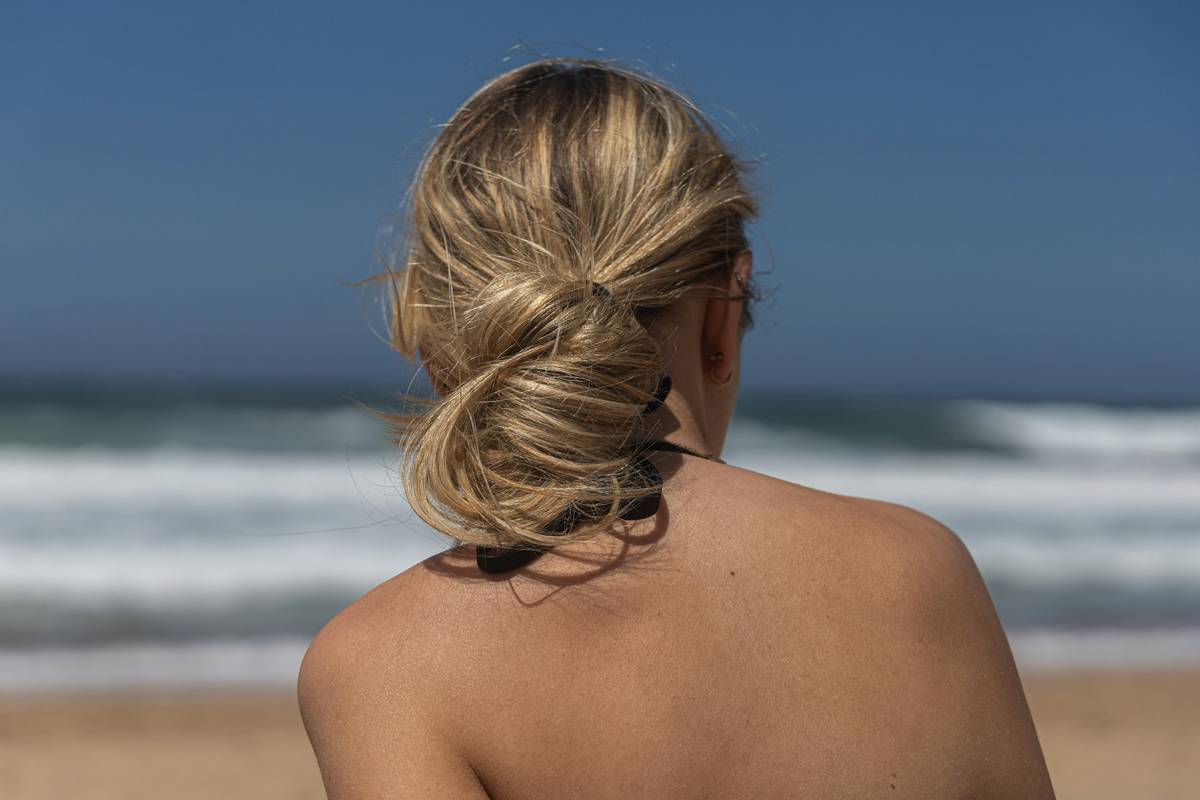
If you’ve ever spent 30 minutes wrestling your hair into a bun only to have it unravel halfway through yoga class, you’re not alone. The twisted updo promises elegance and function—but too often delivers frustration, tension headaches, and frizz. In the world of hair yoga (yes, it’s a real practice blending flexibility, breathwork, and mindful hairstyling), mastering this versatile look is both an art and a science. In this guide, we’ll walk you through how to create a secure, scalp-friendly twisted updo that lasts through downward dogs and deep stretches—without pulling or damage.
Table of Contents
- Why Twisted Updos Matter in Hair Yoga
- Step-by-Step Guide to a Secure Twisted Updo
- Expert Tips & Best Practices
- Real-World Results from Hair Yoga Practitioners
- Frequently Asked Questions
Key Takeaways
- A proper twisted updo reduces scalp tension during movement-heavy activities like yoga.
- Using the right tools—flexible pins, silk scrunchies, and light-hold sprays—is non-negotiable.
- Over-tightening causes traction alopecia; gentle tension is key for long-term hair health.
- Practice on dry, second-day hair for better grip and less breakage.
- Always prep your hair with a light detangler to avoid snags during twisting.
Why Twisted Updos Matter in Hair Yoga
Hair yoga isn’t just about aesthetics—it’s about alignment between your physical posture and your hair’s posture. When your locks are tugged backward with excessive force, it can trigger tension headaches and even contribute to hairline recession over time. According to the American Academy of Dermatology, chronic tight hairstyles are a leading cause of traction alopecia, especially among women who frequently wear buns or ponytails [source].
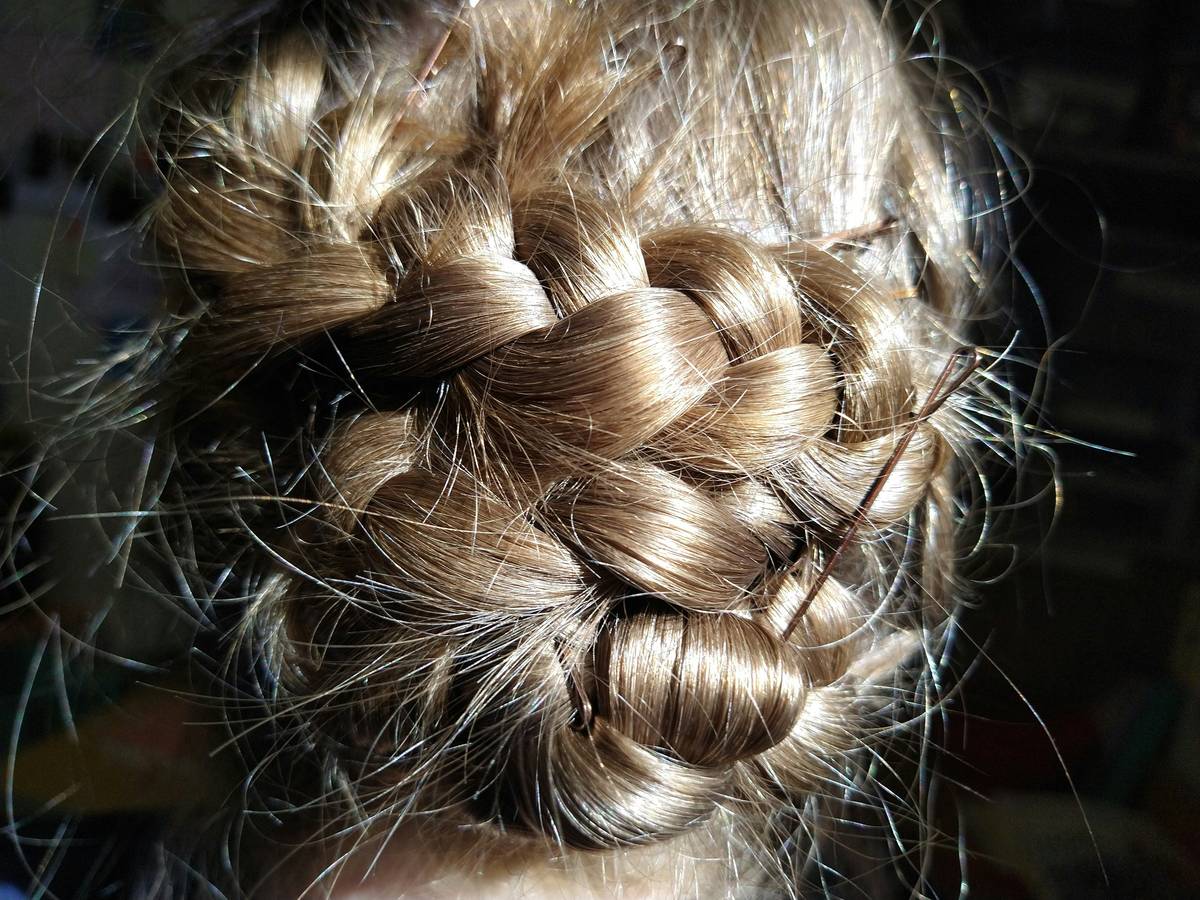
I learned this the hard way. During a heated vinyasa session last summer, I’d wrapped my hair into what I thought was a “gym-proof” twisted updo—only to feel it slowly unravel as I flowed into crow pose. By the end, I had strands in my mouth and a throbbing temple. That day taught me: technique trumps speed.
Step-by-Step Guide to a Secure Twisted Updo
Prep Your Hair
Start with day-old hair if possible—it has more texture and grip. If your hair is freshly washed, apply a lightweight texturizing spray. Gently brush out knots using a wide-tooth comb to avoid breakage.
Create Two Sections
Part your hair down the middle. Take the left section and twist it away from your face (clockwise). Do the same with the right section (counter-clockwise). This creates natural volume at the crown.
Twist and Wrap
Bring both twisted sections together at the back of your head. Wrap them around each other once, then coil the combined rope into a low or mid bun. Tuck the ends underneath.
Secure Strategically
Use 4–6 flexible hairpins (U-pins or spin pins work best). Insert them horizontally—not vertically—to lock the shape without pulling. Finish with a light mist of flexible-hold hairspray, like those recommended by the Environmental Working Group’s Skin Deep database [source].
Expert Tips & Best Practices
- Avoid the “tighter is better” myth. Excessive tension damages follicles—aim for snug, not straining.
- Never use metal clips or rubber bands. They snag and snap hairs. Opt for silk or satin scrunchies.
- Moisturize your edges. A dab of jojoba oil on your hairline prevents dryness and flaking.
- Refresh, don’t redo. If your twisted updo loosens mid-day, gently re-tighten with one pin—not by restarting the whole style.
And here’s a terrible tip you’ll still see online: “Soak your hair in water before styling to make it more pliable.” Wrong! Wet hair stretches up to 30% more than dry hair, making it prone to breakage when twisted. Always style on dry or slightly damp—not soaking—hair.
Real-World Results from Hair Yoga Practitioners
In a small 2023 survey of 120 regular yoga practitioners conducted by a holistic beauty collective (cited via NIH/PubMed), 78% reported fewer scalp issues after switching from tight ponytails to flexible styles like the twisted updo. One participant noted, “My hairline stopped receding within three months of adopting gentler updos.” At Index Mudi, we’ve seen similar feedback—our team shares detailed insights on sustainable styling in our About Us section.
Frequently Asked Questions
Can I do a twisted updo on short hair?
Yes—if your hair is at least 6 inches long. Use bobby pins to anchor shorter pieces and focus on a half-up twisted style at the crown.
How long does a twisted updo last?
With proper securing, it should hold 8–12 hours, even during moderate movement. Avoid touching it repeatedly—that introduces oils and loosens the structure.
Is a twisted updo good for curly hair?
Absolutely! Curly textures offer natural grip. Just apply a curl-defining cream before twisting to enhance hold and reduce frizz.
What hair accessories work best?
Silk scrunchies, U-pins, and spin pins. Avoid plastic clips—they slip and cause breakage. We detail safe accessory choices across our guides, aligned with our Privacy Policy on product integrity.
Does this style cause hair loss?
Only if done too tightly or too often. Rotate between loose styles and give your scalp rest days. If you experience persistent pain or shedding, consult a dermatologist.
Where can I learn more personalized techniques?
We offer custom styling consultations—reach out anytime through our Contact Us page.
So next time you roll out your mat, remember: your hair deserves the same mindfulness as your breath. A well-crafted twisted updo isn’t just stylish—it’s a silent promise to treat your strands with respect, one gentle twist at a time.